

Our Professional Winter Driving Tips
Tips to help you to be a safer driver.
-
Tip #1
When to Change to Winter Tires
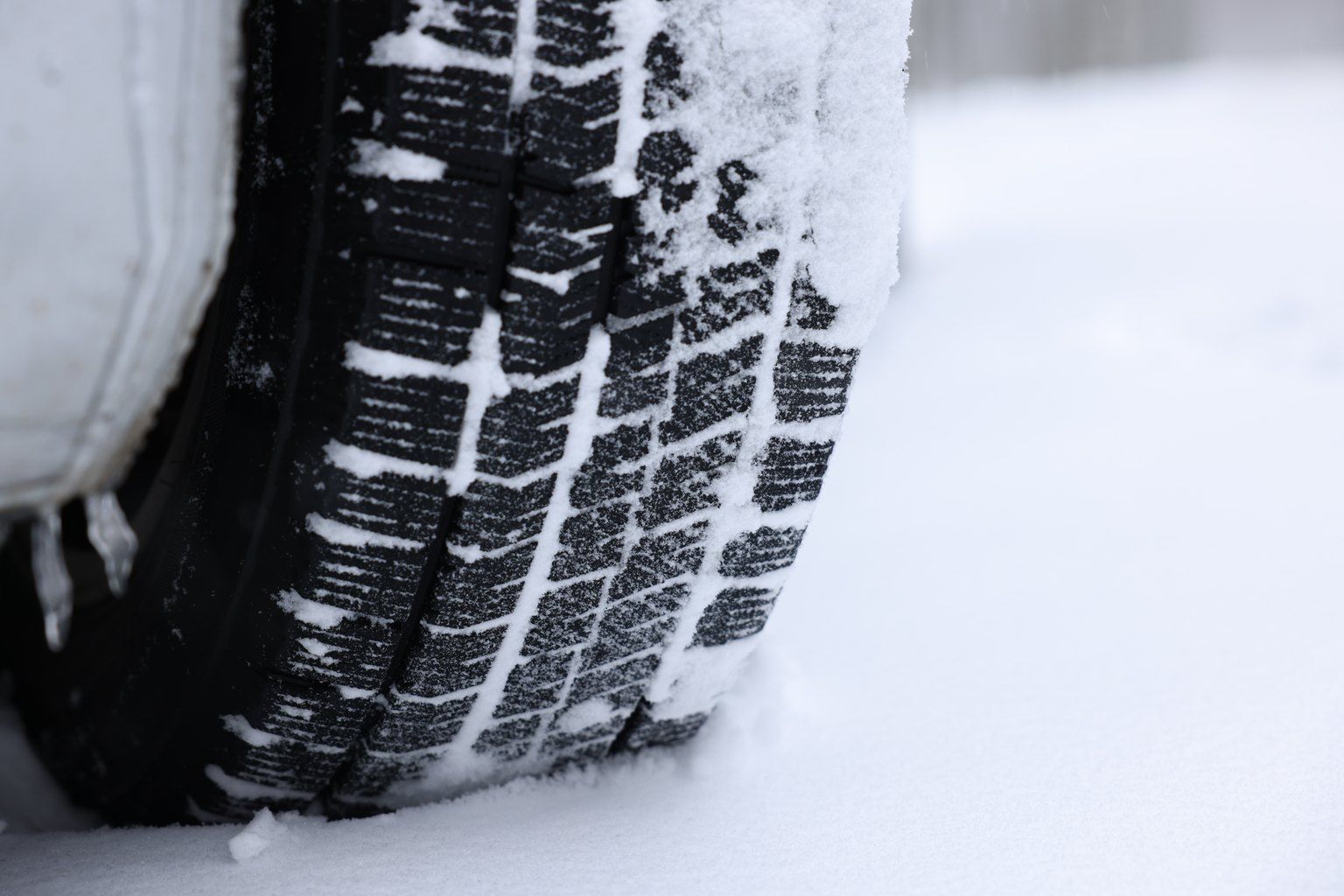
When temperatures consistently stay at 7 degrees Celsius or below, it’s a clear signal to consider changing from all-season to winter tires. Winter tires are designed to stay flexible in the cold, giving you more predictable handling and shorter stopping distances. Checking tread condition and tire age at the same time keeps you ahead of the season instead of reacting to it.
-
Tip #2
Checking Your Tire Tread
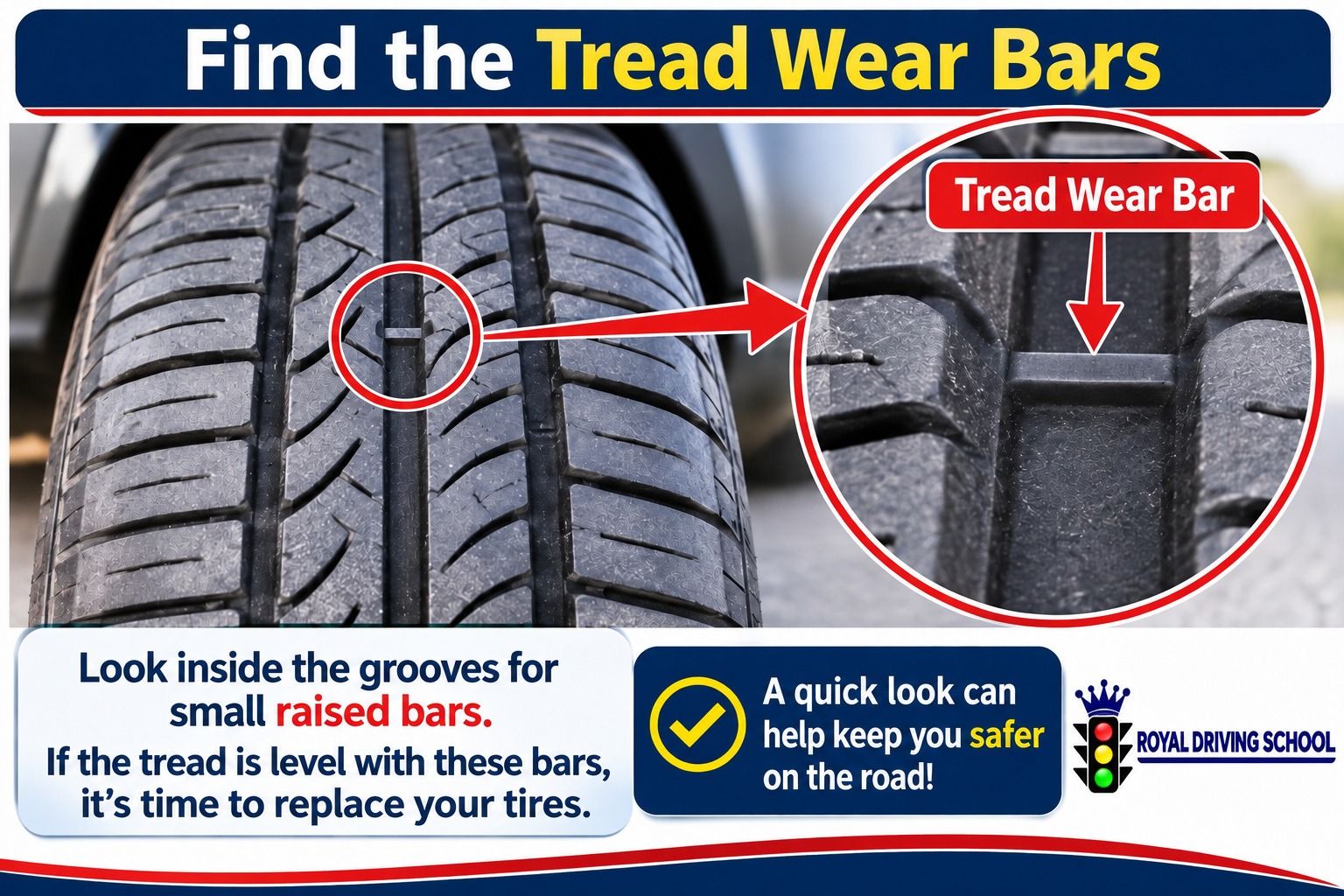
Find the built-in tread wear bars. They’re those little flat bridges inside the grooves. If the tread’s worn down close to those bars, it’s time to replace. No tools, just good lighting and a close look. Below is a photo for an easier reference!
-
Tip #3
Basic Winter Kit
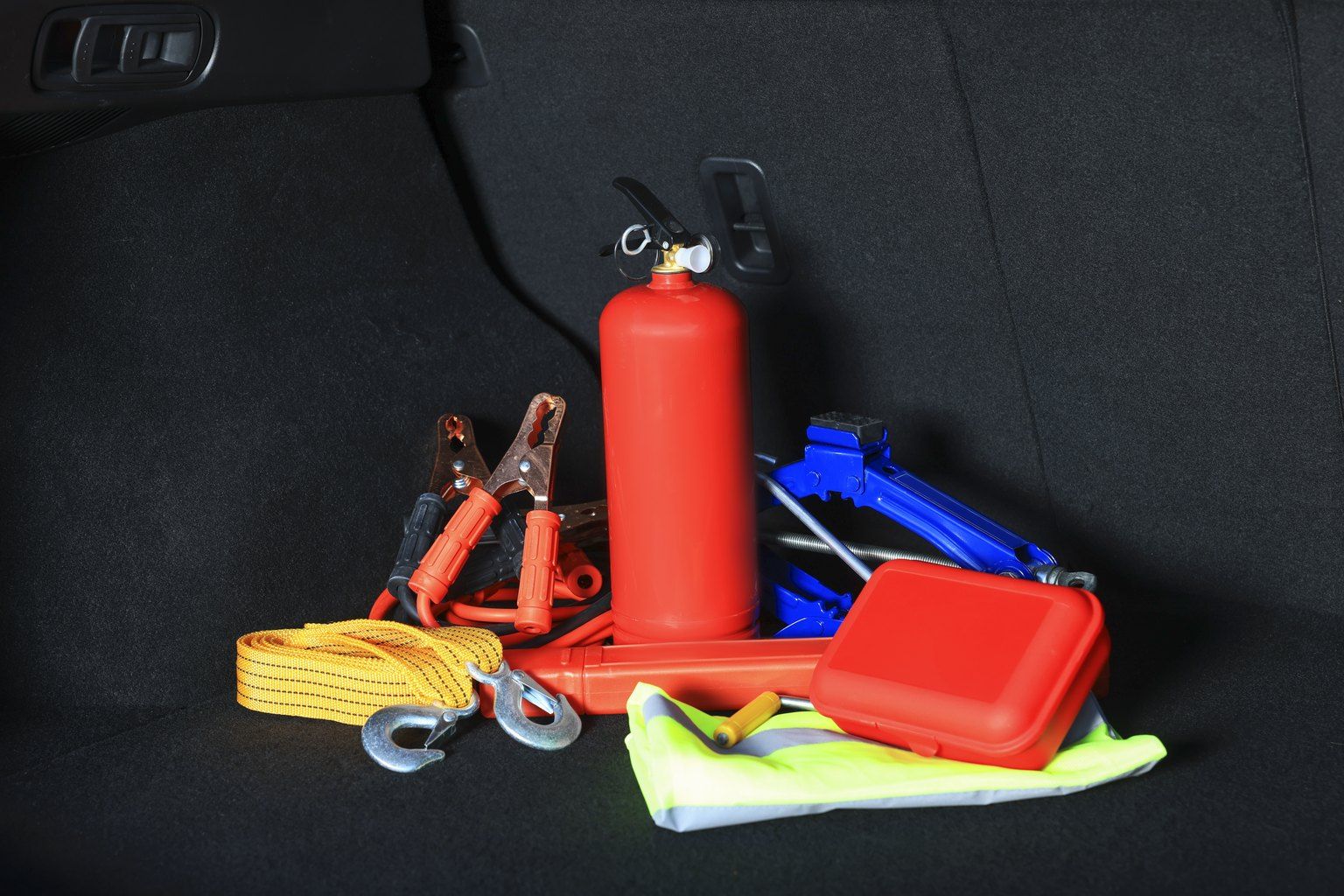
A small shovel, ice scraper, blanket, flashlight, jumper cables, and a phone charger. Add sand or cat litter for traction if you get stuck. Keep it all in a bin, and check it now before you’re cold on the roadside.
-
Tip #4
Replacing Your Filters and Wipers
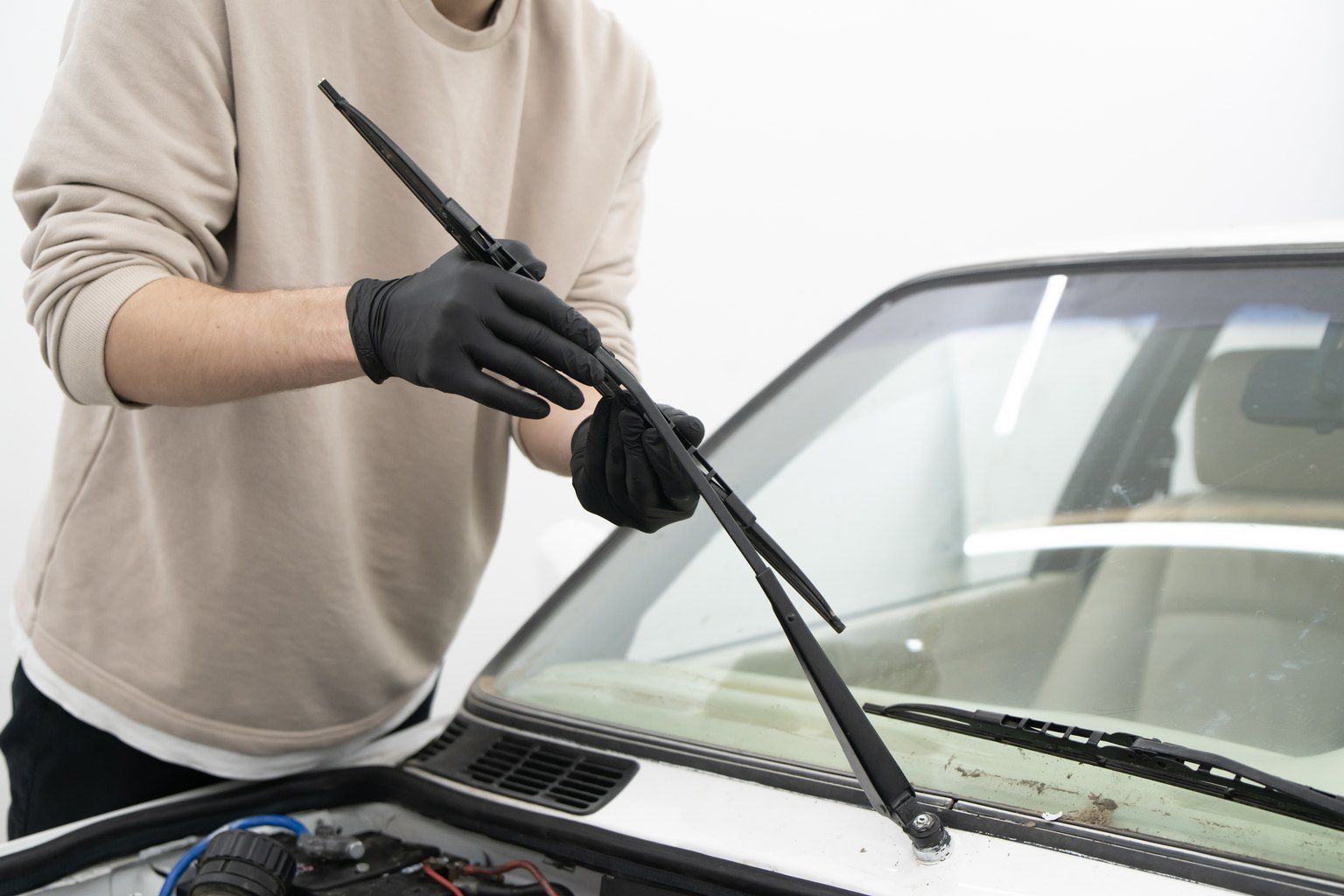
Don’t overlook visibility and air flow. If your wiper blades streak or chatter, replace them. Check your cabin air filter for dirt, and swap it if it’s clogged. Also look at the engine air filter. Clean air flow keeps the car efficient and the defrost working when the glass fogs up.
-
Tip #5
Following Distance in Adverse Weather
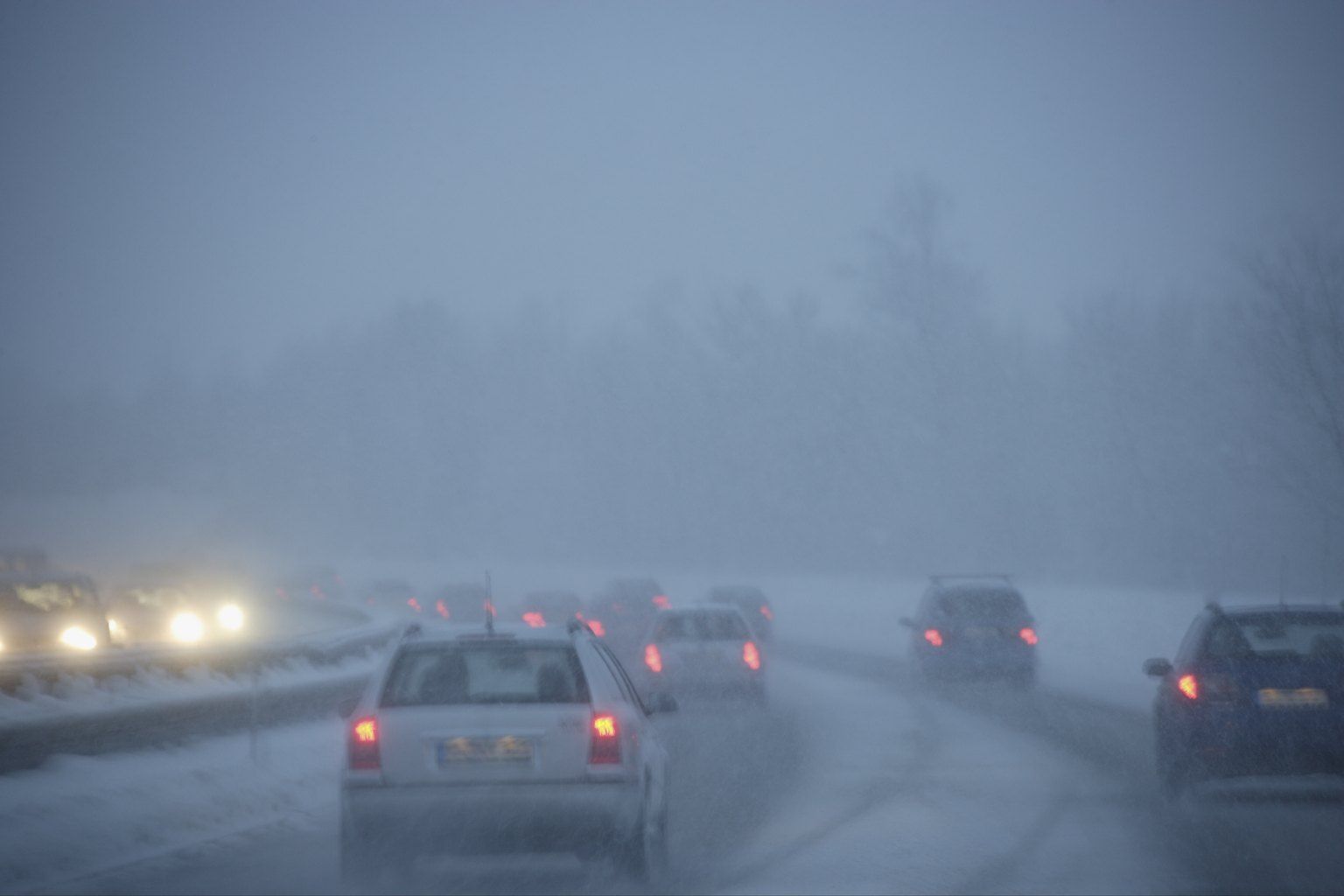
As colder weather approaches, give yourself extra time on the road. In clear conditions, you can keep about a two to three second following distance. In rain, snow, or on icy roads, aim for longer, think four seconds or more, because braking takes longer and traction isn’t as strong. That extra cushion buys you control when the road won’t.
-
Tip #6
Leave Earlier and Warm Up Your Vehicle
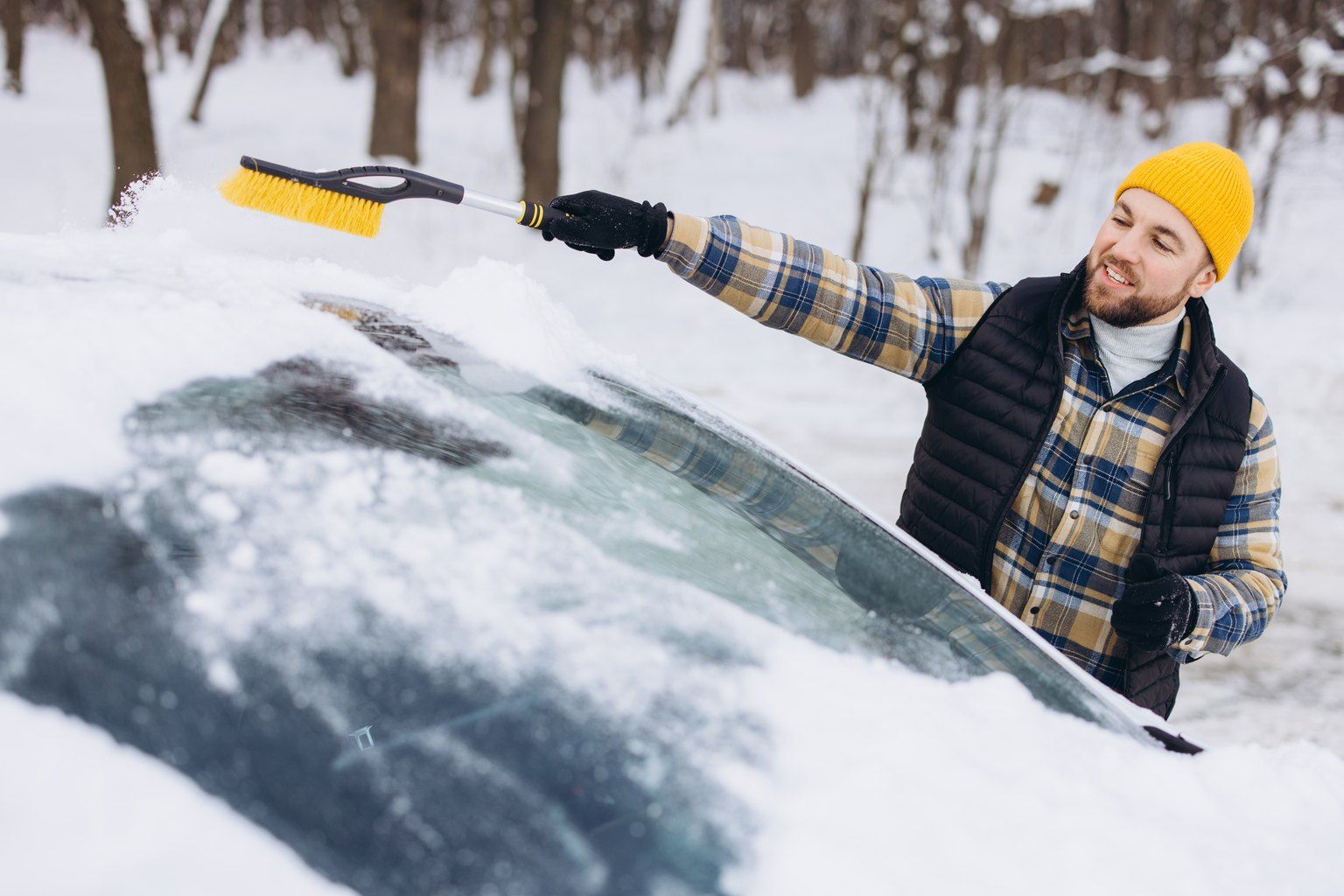
When the weather turns cold, give your car a brief moment, then ease onto the road. A short pause, about half a minute, is plenty for modern engines. Plan a little extra time before heading out, so you can clear your windows, check the roads, and start calmly without feeling rushed. A little buffer makes the whole drive less stressful and a lot safer.


Questions About Driving This Winter?
Call or email Royal Driving School and we will be happy to help.